
A bathroom mold problem is rarely just a surface-cleaning issue. When staining returns after cleaning, grout stays dark, drywall feels soft, or a musty odor persists, the underlying problem is usually moisture moving where it should not. The right bathroom mold remediation contractor identifies that source first, addresses affected materials safely, and helps you make informed decisions about repair and renovation.
For homeowners, the goal is not simply to make mold less visible. It is to restore a dry, sound bathroom that will hold up over time. That requires a contractor who understands both moisture conditions and bathroom construction - from shower assemblies and exhaust ventilation to tile backer, subflooring, plumbing penetrations, and finish materials.
What a Bathroom Mold Remediation Contractor Should Do
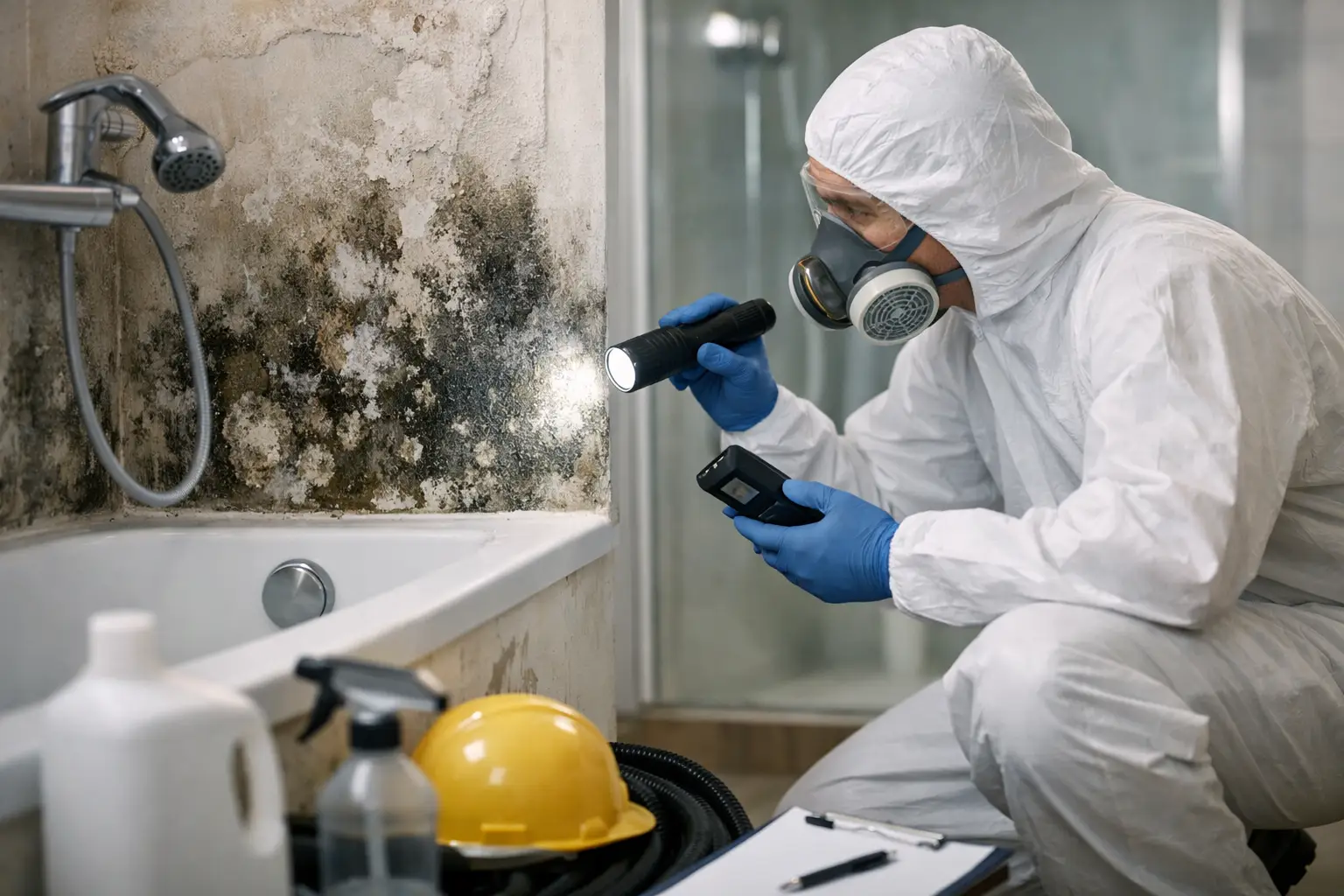
A qualified contractor begins with an assessment, not a demolition plan. Mold is a symptom. A leaking supply line, failed shower waterproofing, loose toilet seal, poor ventilation, or water intrusion around a tub can all create the conditions mold needs to grow. If the moisture source is not corrected, new materials may be installed over a problem that has never been resolved.
The assessment should identify where moisture is coming from, how far it has traveled, and which materials are affected. In a bathroom, visible mold may be limited to caulk or drywall, while concealed damage can extend behind a vanity, inside a wall cavity, under flooring, or around a shower enclosure. The scope should reflect actual conditions rather than assumptions.
From there, remediation generally involves containing the work area as appropriate, removing damaged porous materials when necessary, cleaning and treating salvageable structural components, drying the affected area, and verifying that the source of moisture has been corrected. The exact approach depends on the extent of damage, the materials involved, and whether the bathroom will be repaired as-is or remodeled afterward.
A professional contractor should also explain the handoff between remediation and reconstruction. This is especially valuable when mold damage exposes outdated plumbing, a failing shower, deteriorated flooring, or a layout that no longer serves the household. Coordinating both phases can reduce disruption and prevent the common mistake of repairing finishes before the underlying assembly is ready.
Why Bathroom Mold Requires a Different Level of Attention
Bathrooms are designed to handle water, but only when each layer does its job. Tile and grout are finish surfaces, not the waterproofing system behind a shower. Caulk helps seal transitions, but it cannot compensate for a failed pan, improper wall preparation, or persistent movement around fixtures.
That distinction matters when evaluating mold. A small area near a shower door may result from routine splash and worn sealant. Mold along the outside of a shower wall, recurring staining at the base of a tub, or soft flooring near a toilet may point to a larger issue. The appropriate response is different in each case.
Humidity also plays a role. Many homes in the Portland metro area experience long periods of damp weather, and bathrooms without effective exhaust can hold moisture long after a shower ends. However, ventilation alone does not explain every mold issue. A fan may reduce condensation while a hidden plumbing leak or failed waterproofing layer continues to damage the space.
An experienced bathroom-focused contractor looks at the complete system. That includes how water enters the room, where it is meant to drain, how moisture is exhausted, and whether the materials behind the finished surfaces remain protected.
When Cleaning Is Enough and When Remediation Is Needed
Not every spot of bathroom mold requires a major project. Surface mildew on nonporous tile, glass, or a small section of sound caulk may be resolved through proper cleaning and maintenance. If there is no recurring moisture issue and the surrounding materials are dry and intact, replacement work may be limited.
Remediation becomes more likely when mold keeps returning, spreads beyond a small localized area, appears on drywall or other porous materials, or is accompanied by water stains, odors, swelling, cracking, or softness. These signs suggest that moisture has reached materials that cannot reliably be cleaned in place.
A homeowner should be cautious about covering the evidence. New paint, fresh caulk, or a replacement vanity can improve appearance temporarily, but they do not resolve wet drywall, compromised flooring, or a leaking shower assembly. The trade-off is simple: a smaller repair may cost less now, while a complete investigation can prevent a more expensive rebuild later.
Questions to Ask Before Hiring a Contractor
The best contractor for your project is not necessarily the one who promises the fastest cosmetic fix. Ask how they will identify the moisture source and how they determine the extent of affected materials. Their answer should be specific to your bathroom, not a generic recommendation to remove everything.
It is also reasonable to ask whether the contractor has mold and moisture training, how they protect adjacent living areas during removal, and what drying or verification steps are included before reconstruction begins. IICRC-certified expertise is particularly valuable because it reflects training in water damage and mold remediation principles.
Discuss the repair plan before work starts. Will the contractor replace drywall, insulation, flooring, shower components, or cabinetry if damage is found? Can they rebuild the bathroom after remediation? How will changes in scope be documented if concealed conditions are uncovered? Clear answers help you compare estimates fairly and avoid surprises once finishes are removed.
Finally, review the contractor's experience with bathrooms specifically. A bathroom has tight clearances, multiple water connections, ventilation requirements, and finish details that must work together. A contractor who routinely handles shower conversions, tile installations, and full bathroom renovations is better positioned to restore the room properly after mold-related damage.
Planning Remediation With a Bathroom Remodel
Mold remediation can be an unexpected opportunity to correct issues that have been frustrating for years. If a shower has failed, the flooring is dated, storage is limited, or the layout is cramped, opening the room for repairs may be the right time to consider a more complete renovation.
This does not mean every mold project needs a full gut remodel. Sometimes the most practical solution is targeted removal and repair. But when a bathroom already needs substantial reconstruction, coordinating the work can be more efficient than rebuilding old finishes only to renovate again soon afterward.
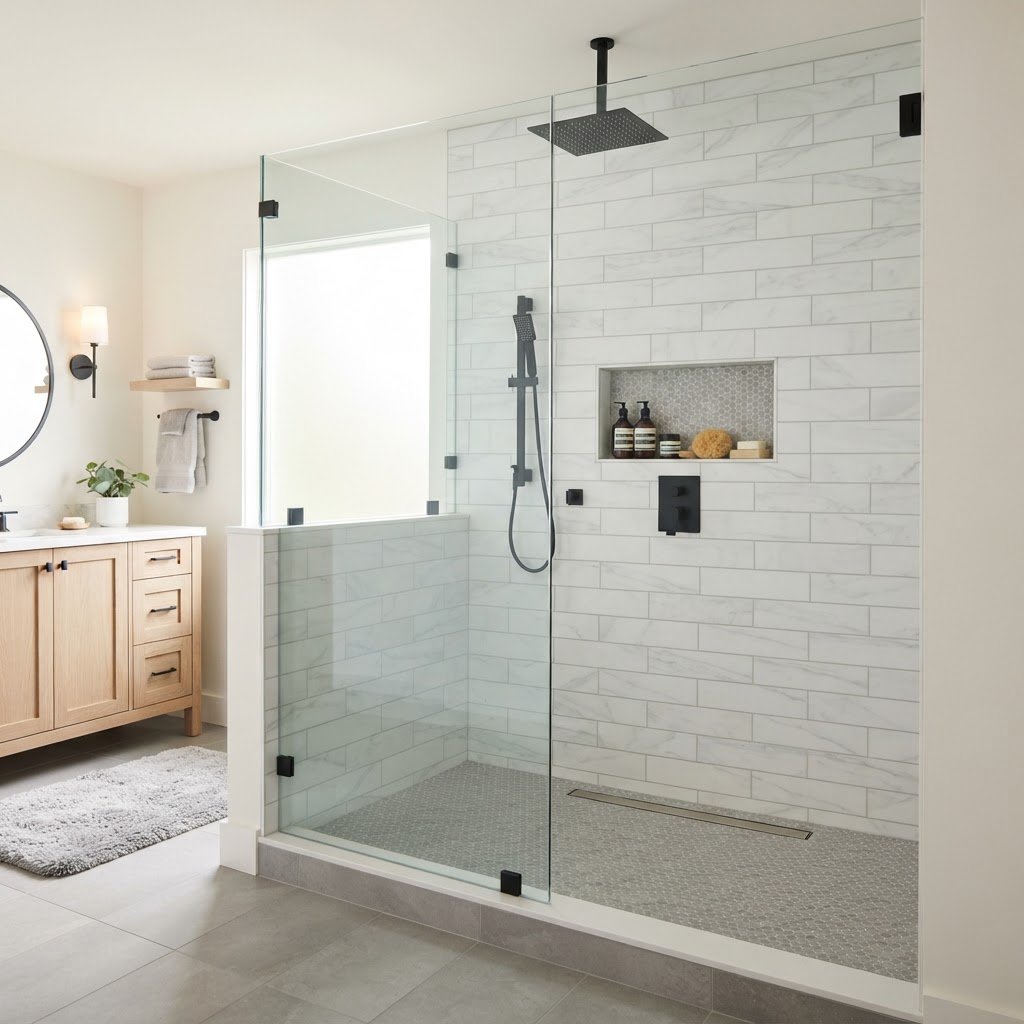
A combined plan can address waterproofing, ventilation, plumbing updates, tile selection, lighting, storage, and accessibility in one coordinated project. For example, a damaged tub surround may be replaced with a properly built walk-in shower, while an undersized exhaust fan and worn vanity are updated at the same time. The result is not just a repaired bathroom, but a better-performing space.
Pinnacle NW Kitchen & Bath approaches these projects with the understanding that remediation and renovation must support each other. The objective is to remove the conditions that allowed mold to develop, then rebuild with materials and details suited to daily use.
How to Prevent Mold From Returning
Prevention starts with moisture control, not frequent cleaning alone. Run the bath fan during showers and leave it running long enough to clear humidity afterward. Repair drips promptly, keep shower door tracks and corners clean, and replace deteriorated caulk before water begins reaching materials behind the finish surface.
Watch for subtle changes as well. Peeling paint, loose tile, a persistent odor, lifting flooring, and staining around fixture connections all deserve attention. Early repairs are typically more contained than waiting until materials feel soft or visible growth spreads.
If you are planning a bathroom renovation, ask how the project will manage water behind the walls and beneath the floor. Proper waterproofing, well-detailed transitions, correctly installed fixtures, and effective ventilation are not optional upgrades. They are the foundation of a bathroom built to stay dry.
A mold concern does not have to leave you guessing about the condition of your bathroom. Start with a clear assessment, choose a contractor who understands both remediation and reconstruction, and make repairs that solve the moisture problem rather than hiding it.