


A dark line at the shower caulk or a musty smell after a hot shower is easy to dismiss as a cleaning issue. But when homeowners ask, “can bathroom mold cause illness,” the more useful question is often: how much moisture is present, how long has it been there, and who in the home is being exposed?
Bathroom mold can contribute to health symptoms for some people, particularly those with asthma, allergies, chronic respiratory conditions, or weakened immune systems. It can also signal a larger moisture problem behind tile, under flooring, or inside wall cavities. The visible spot matters, but the conditions allowing it to grow matter more.
Can Bathroom Mold Cause Illness or Physical Symptoms?
Mold is a natural part of the environment, and seeing mold in a bathroom does not automatically mean a home is dangerous or that every symptom is caused by mold. Still, damp indoor spaces and mold exposure are associated with respiratory irritation and allergic reactions in sensitive individuals.
Common complaints may include a stuffy or runny nose, sneezing, itchy or watery eyes, coughing, throat irritation, or skin irritation. People with asthma may notice more frequent coughing, wheezing, chest tightness, or difficulty controlling symptoms. Young children, older adults, and people with compromised immune systems may need more cautious guidance from a medical professional.
A musty bathroom can also contain irritants beyond mold. High humidity, lingering cleaning-product fumes, bacteria around drains, and poor ventilation can all affect indoor comfort. That is why it is not responsible to diagnose an illness from a bathroom stain alone. If someone is experiencing persistent or serious symptoms, especially breathing difficulty, they should speak with a qualified healthcare provider.
From a building standpoint, however, visible mold and recurring odors should never be ignored. Mold needs moisture to grow. Removing the surface discoloration without correcting the moisture source often leads to the same problem returning.
Why Bathrooms Create Mold Conditions
Bathrooms handle repeated moisture exposure every day. Hot showers create steam that settles on ceilings, walls, mirrors, windows, grout, and painted surfaces. A properly sized, properly vented exhaust fan should move that humid air outside, not simply into an attic or enclosed space.
The most common causes are straightforward: weak ventilation, a fan that is rarely used, cracked grout or caulk, failed shower waterproofing, plumbing leaks, and water collecting where it cannot dry. Some conditions are obvious, such as a leaking supply line below a vanity. Others are hidden, such as water working behind loose tile or beneath a shower pan.
In the Portland metro area, rainy seasons and naturally humid periods can make it harder for bathrooms to dry, particularly in older homes with limited ventilation. That does not mean mold is unavoidable. It means ventilation, waterproofing, and timely repairs deserve more attention.
Surface Mold vs. a Hidden Moisture Problem
A small patch of mildew on nonporous shower tile may be a maintenance issue if it cleans away and does not return. Repeated staining in the same location is different. It may point to poor drying conditions, deteriorated grout, missing caulk, or a leak behind the finished surface.
Warning signs of a more involved problem include a persistent musty odor, peeling paint, soft drywall, swollen baseboards, loose tile, stained ceilings below a bathroom, warped flooring, or caulk that repeatedly turns dark soon after cleaning. These signs do not prove the full extent of damage, but they justify a closer inspection.
A bathroom can look clean at eye level while moisture is affecting the wall behind a shower surround or the subfloor around a toilet. For that reason, a professional evaluation focuses on the water path, not only the visible mold.
When to Clean It and When to Call a Professional
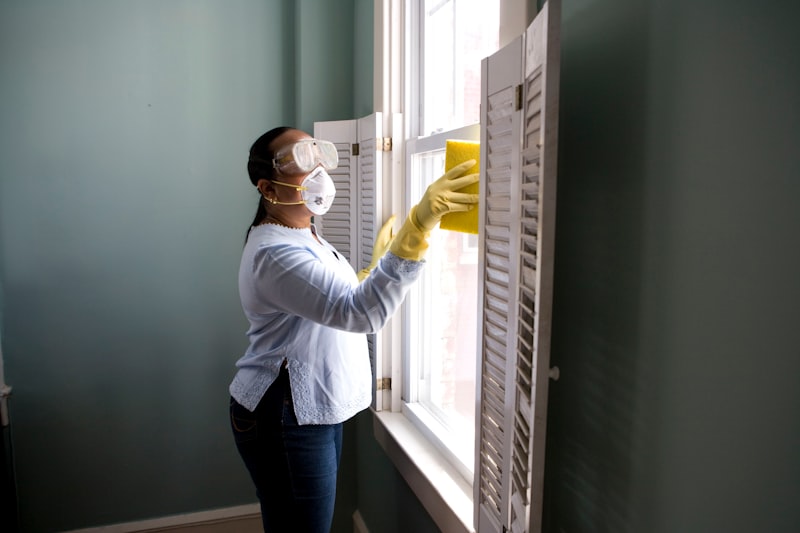
For a small, isolated area on a hard, nonporous surface, homeowners can often clean it safely while wearing gloves and ensuring good ventilation. Use a household cleaner suited to the material, follow the product instructions, and dry the area thoroughly afterward. Do not mix cleaning products. Mixing bleach with ammonia or other cleaners can create harmful fumes.
Cleaning alone is not the answer when mold keeps returning. It is also wise to bring in qualified help when the affected area is extensive, materials feel soft or damaged, there has been a known leak, or occupants are especially vulnerable to respiratory issues. Porous materials such as drywall, insulation, particleboard, and some subflooring can hold moisture and may need removal or replacement if they are contaminated or structurally damaged.
A responsible assessment should identify the cause before cosmetic repairs begin. That may involve checking plumbing connections, evaluating the shower enclosure, looking for failed sealant joints, measuring moisture in surrounding materials, and confirming that ventilation is actually exhausting outdoors.
For homeowners planning a bathroom renovation, this is a practical point to address before new finishes cover the evidence. Replacing a vanity or installing new tile without resolving a leak or waterproofing failure can turn an attractive upgrade into a costly repeat project.
How to Reduce Bathroom Mold Risk
Mold prevention is largely moisture management. Small routines make a meaningful difference, but they work best when the room is fundamentally sound.
- Run the bathroom exhaust fan during showers and for at least 20 minutes afterward. If the fan is noisy, weak, or ineffective, have it evaluated rather than simply avoiding it.
- Wipe down shower walls, glass, and ledges after use when condensation is heavy. This reduces the amount of water left on surfaces and in grout lines.
- Repair dripping faucets, leaking toilet connections, damaged grout, and failed caulk promptly. Slow leaks can cause more concealed damage than a one-time spill.
- Keep shower curtains and bath mats positioned so they can dry. Wash washable fabrics regularly, especially if they retain a musty odor.
- Open a window when weather and privacy allow, but do not rely on a window as the only ventilation strategy for a frequently used bathroom.
The goal is not to create a sterile bathroom. It is to prevent water from lingering long enough to support mold growth or damage the materials that protect the home.
What a Mold-Conscious Bathroom Remodel Should Include
A well-planned bathroom remodel provides an opportunity to correct chronic moisture issues at the assembly level. The right solution depends on the bathroom’s age, layout, existing damage, and planned finishes, but several elements consistently matter.
A quality shower build needs a continuous waterproofing system behind or beneath the finished tile. Tile and grout are decorative, durable surfaces, but they are not the waterproof layer by themselves. Proper transitions at corners, niches, benches, plumbing penetrations, and shower bases are especially important because these are common failure points.
Ventilation should be selected for the room and ducted correctly to the exterior. The fan should also be convenient enough that household members will use it. In some homes, a timer or humidity-sensing control can help prevent the fan from being switched off too soon.
Material choices can make maintenance easier, although no finish eliminates the need for cleaning and drying. Large-format tile may mean fewer grout lines. Solid-surface shower surrounds can reduce joints. A shower design without difficult-to-reach ledges gives water and soap residue fewer places to accumulate. The best choice balances appearance, budget, cleaning preferences, and the bathroom’s existing conditions.
For a bathroom with confirmed moisture damage, the work may need to go beyond surface updates. Damaged framing, subflooring, drywall, insulation, or plumbing components should be addressed before finishes are installed. Pinnacle NW Kitchen & Bath approaches moisture-related bathroom work with the same priority: find the source, correct the affected materials where needed, and rebuild with details designed to manage water properly.
A Better Next Step for a Musty or Moldy Bathroom
If a bathroom odor disappears after cleaning but returns within days or weeks, treat that as useful information. The room is likely staying damp, or water is reaching a place it should not. Start by checking the fan, visible plumbing, caulk, grout, and areas around the shower, toilet, and vanity.
When the cause is unclear, an inspection can prevent guesswork and protect a future renovation budget. A bathroom should feel clean, dry, and easy to maintain - not like a room that requires constant scrubbing to hide an unresolved water problem.