

A bathroom can look clean while moisture is working behind the walls, beneath the flooring, or around a shower pan. That is why Vancouver mold restoration is not simply a matter of removing visible staining. Effective work identifies how water entered the space, addresses affected materials safely, and rebuilds the bathroom so the same conditions do not return.
For homeowners, the right response depends on the extent of the damage. A small surface issue caused by short-term condensation is very different from mold connected to an ongoing plumbing leak, failed shower waterproofing, or water-damaged subfloor. The goal is to make decisions based on the source and scope of the problem, not just what is visible from the room.
When Mold Calls for Professional Assessment
Mold can develop anywhere moisture remains trapped long enough, but bathrooms create particularly favorable conditions. Warm showers, limited ventilation, grout joints, plumbing penetrations, and enclosed wall cavities all give moisture places to collect. A musty odor that returns after cleaning, peeling paint near a shower, soft flooring, discolored caulk, or recurring stains around a ceiling are signs worth investigating.
Visible mold near a window or on a painted surface may be limited, but it should not be assumed. The concern increases when there has been a leak, an overflowing fixture, water around a toilet base, a shower that has been leaking over time, or persistent humidity. If materials feel soft, walls are swollen, or staining appears beyond the immediate wet area, the affected area may extend farther than the surface indicates.
A qualified assessment focuses first on moisture. Where is the water coming from? Is the source active? Has it affected drywall, insulation, framing, flooring, or the subfloor? Those answers determine whether cleaning is appropriate or whether targeted removal and restoration are needed.
The First Step in Vancouver Mold Restoration: Stop the Moisture
No restoration plan succeeds if the moisture source remains unresolved. Before demolition or replacement begins, the underlying condition needs to be corrected. In bathrooms, common causes include a slow supply-line leak, a failed drain connection, deteriorated shower grout or caulk, poor ventilation, cracked tile, or a shower assembly that was not properly waterproofed.
This is where a bathroom-focused contractor can provide real value. A room may need more than remediation. If the shower enclosure has failed behind the finished tile, replacing only stained drywall outside the shower will not solve the problem. The shower may need to be opened, the damaged materials removed, and the waterproofing system rebuilt correctly before new finishes are installed.
Ventilation also deserves attention. An exhaust fan should move moisture out of the room effectively, not simply run loudly. The right fan size, a practical control strategy, and consistent use after bathing can significantly reduce moisture buildup. Still, ventilation cannot compensate for a hidden leak or a failed waterproofing system. It is one part of a complete solution.
What a Proper Restoration Process Looks Like
The details vary by project, but a professional restoration process follows a logical sequence. First, the source of water is identified and stopped. Next, the affected area is evaluated so the scope of damage is clear. Materials that cannot be reliably cleaned or dried may need to be removed, particularly porous materials that have remained wet.
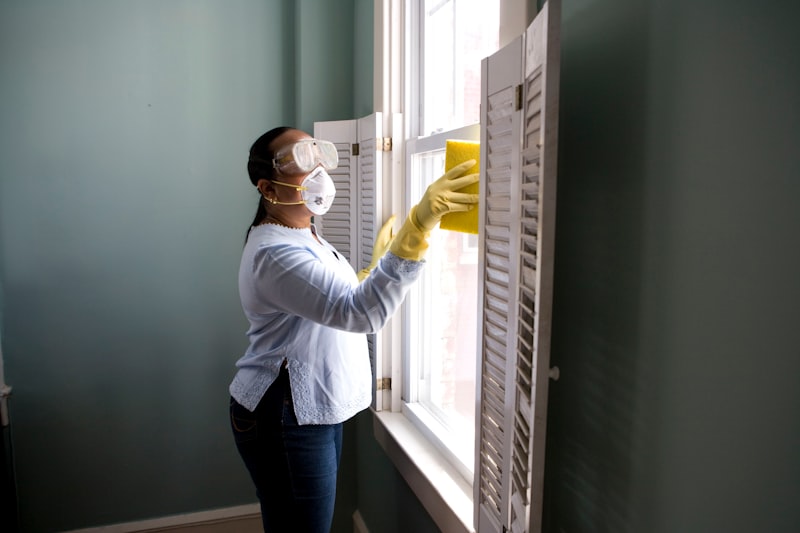
Containment is used when necessary to control dust and prevent disturbed material from moving into clean areas of the home. The work area is then cleaned using appropriate methods, moisture is addressed, and damaged components are repaired or replaced. If the issue involves a bathroom renovation, this is the point where restoration and remodeling should work together rather than as disconnected projects.
The final phase is rebuilding. New drywall, flooring, cabinetry, tile, or shower components should not be installed until the area is dry and the moisture problem is corrected. Rushing this stage can bury a problem behind expensive finishes and make future repairs more disruptive.
Cleaning vs. Removing Affected Materials
Not every mold issue requires extensive demolition. Nonporous materials such as glass, metal, and some finished surfaces can often be cleaned if the moisture issue was short-lived and there is no hidden damage. The decision changes when mold has affected drywall, insulation, particleboard cabinetry, damaged wood, or flooring materials that have absorbed water.
Removal is not a failure of the project. It is often the responsible choice when materials cannot be confidently restored. The trade-off is cost and disruption, but limited repairs that leave compromised materials in place can lead to repeat odors, staining, deterioration, and another round of construction later.
Why Testing Is Not Always the Starting Point
Homeowners sometimes assume mold testing should come before any other step. Testing can be useful in specific situations, especially when there are unusual conditions, unclear findings, or a need for independent documentation. But where visible growth and an obvious moisture source are present, the immediate priorities are usually correcting the source and addressing affected materials.
A test result does not repair a leak, dry a wall cavity, or restore a failed shower assembly. A contractor should be able to explain what is known, what remains uncertain, and whether testing will meaningfully change the work plan.
Rebuilding a Bathroom to Prevent Repeat Damage
Restoration creates an opportunity to correct details that may have contributed to the issue in the first place. This is especially relevant in older bathrooms, where finishes can hide outdated plumbing connections, insufficient ventilation, deteriorated wallboard, or shower construction that no longer performs as intended.
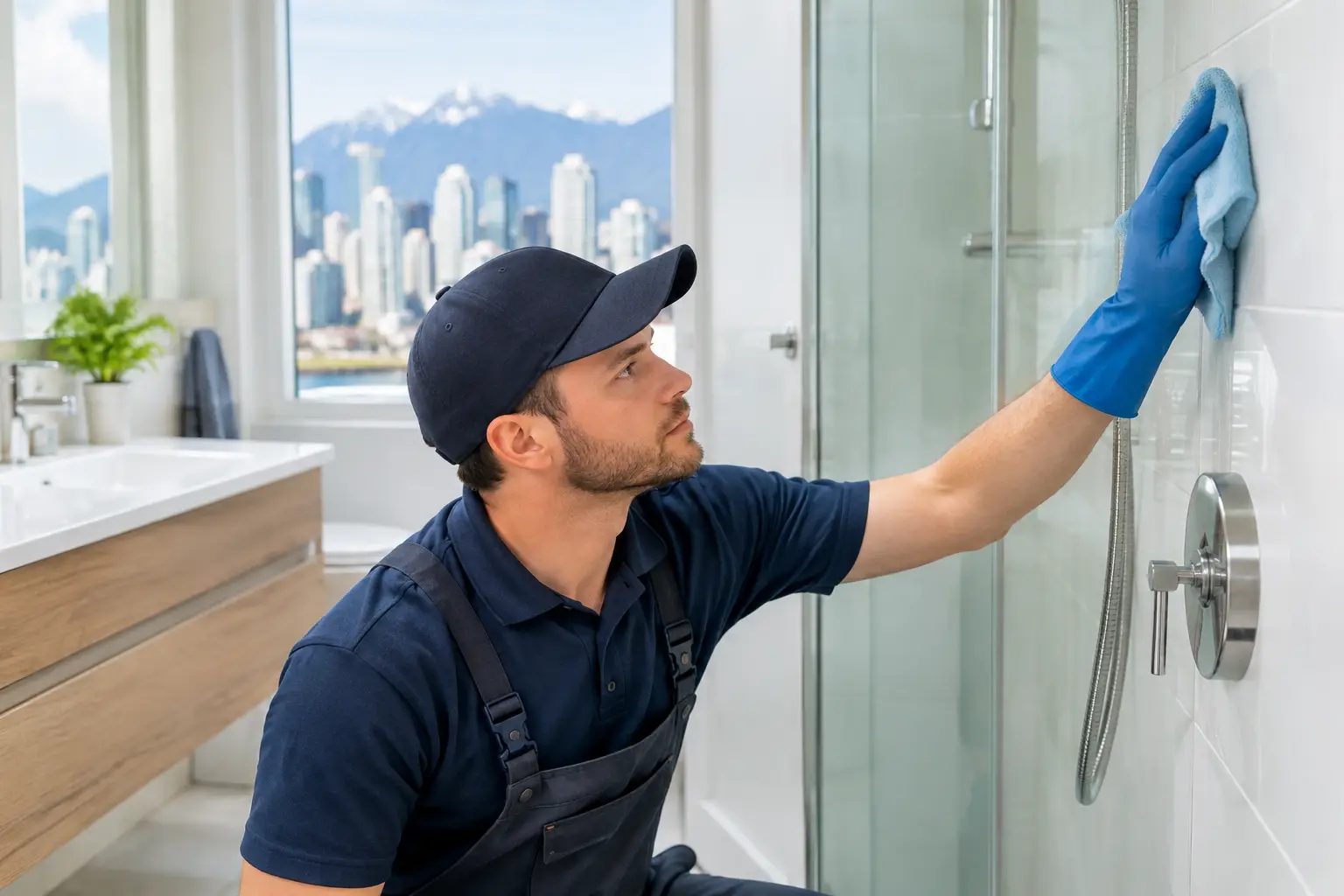
In a shower renovation, long-term protection begins behind the tile. A properly planned waterproofing system, correctly detailed corners and penetrations, well-installed drains, and suitable backing materials matter as much as the tile selection. Tile and grout are finish materials, not a substitute for a waterproof assembly behind them.
Flooring and vanity choices also affect how a bathroom handles everyday moisture. Materials should suit the room's exposure to water, and fixture connections should remain accessible when practical. Caulked transitions need regular inspection because they are maintenance items, not permanent barriers. Thoughtful layout decisions can also make it easier to clean around fixtures and spot a small leak before it causes widespread damage.
Questions to Ask Before Approving the Work
A clear scope protects both the homeowner and the contractor. Ask what caused the damage, which materials are affected, and how the source will be corrected. You should also understand what will be removed, how the work area will be protected, what restoration is included, and whether the estimate covers rebuilding finishes after remediation.
For a bathroom with hidden water damage, ask how the shower, tub, or plumbing area will be rebuilt to prevent recurrence. If the answer focuses only on surface cleaning or cosmetic patching, the plan may not address the actual failure point. A detailed estimate should distinguish between investigation, remediation, repair, and any optional renovation upgrades.
Credentials matter as well. IICRC-certified expertise is particularly relevant when moisture and mold concerns overlap with water damage restoration. It signals familiarity with recognized restoration practices, while strong bathroom remodeling experience helps ensure the room is rebuilt with the right moisture-management details.
Act Early, Then Rebuild With a Plan
Small signs of moisture rarely become less expensive by waiting. A faint odor, loose tile, darkened caulk, or soft area near a fixture may be manageable when addressed promptly. Once water reaches framing, subflooring, or adjacent rooms, the project can become more involved.
If your bathroom shows signs of hidden moisture or mold, start with a professional evaluation that addresses both restoration and the finished space. Pinnacle NW Kitchen & Bath helps homeowners make practical decisions about affected materials, repair scope, and bathroom rebuilding so the result is not only cleaner, but built to stay dry.